
In today’s rapidly evolving world, the complexities of politics have grown exponentially. Traditional linear models and top-down approaches often fall short in understanding and addressing the intricacies of modern political systems given our deeply interconnected lives. This is where the concept of Complex Adaptive Systems (CAS) emerges as a beacon of hope, offering a novel perspective on how we can better navigate the intricacies of politics. I as a freelance writer and photographer with a keen interest in both politics and complex adaptive systems, would like to explore the fascinating possibilities of applying CAS principles to the realm of politics.
Understanding Complex Adaptive Systems:
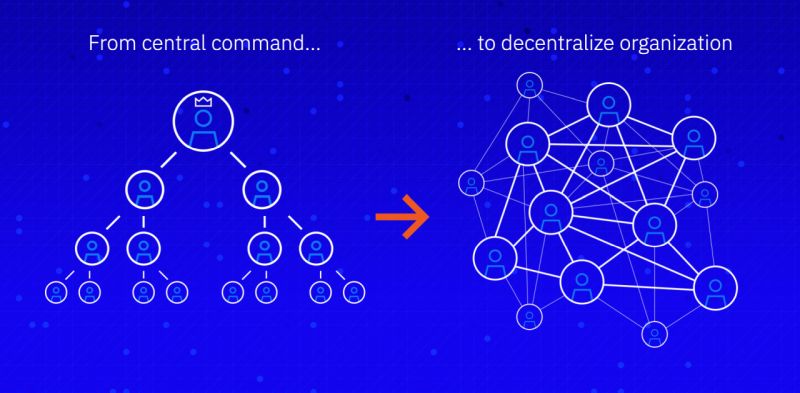
Before delving into the potential applications of CAS in politics, it’s essential to grasp the foundational principles of Complex Adaptive Systems. CAS are dynamic networks composed of numerous interconnected components that adapt and evolve based on local interactions and feedback loops. These systems exhibit emergent behavior, where small-scale actions can lead to larger-scale, unpredictable outcomes. In essence, CAS thinking emphasizes the importance of decentralized decision-making and acknowledges that change is constant and often non-linear.
Political Systems as Complex Adaptive Systems:
The world of politics is a quintessential example of a Complex Adaptive System. Think of the myriad of political ideologies, diverse voter behaviors, and the constant flux of policies and issues. The application of which enables us to view the system as an interconnected web of actors, each responding to their environment and influencing others. This paradigm shift challenges the traditional elite theory of top-down governance models and encourages a more organic, bottom-up approach, while understanding their interdependence between each other.
- Decentralized Decision-Making:
CAS principles advocate for distributed decision-making, mirroring the democratic ideals many political systems aspire to but cannot achieve. By allowing local communities to address their unique challenges and needs, we can create a more inclusive, responsive, and transparent political landscape. This approach can foster innovation and adaptability, as decisions are made by those directly affected by them. - Adapting to Change:
In the ever-changing realm of politics, CAS thinking can help us better anticipate and adapt to shifts in public opinion, emerging issues, and global events. Traditional political systems often struggle to respond swiftly to unforeseen developments, but a CAS-inspired approach could facilitate quicker adjustments through continuous feedback and real-time data analysis. - Embracing Diversity:
CAS thrives on diversity, and so does a vibrant democracy. Embracing diverse perspectives and encouraging constructive dialogue among different factions can lead to more robust and sustainable policies. By acknowledging the complexity of political viewpoints, we can create an environment where compromise and collaboration are valued over polarization. - Navigating Polarization:
Polarization is a pressing challenge in many political systems. Applying CAS principles may help bridge ideological divides by promoting cross-pollination of ideas and encouraging the formation of coalitions based on shared goals rather than strict party lines. This approach could foster a more balanced and productive political discourse.

Conclusion:
By leveraging these concepts, we can strive for a more resilient, inclusive, and dynamic political landscape that effectively addresses the ever-evolving needs and aspirations of a diverse society. Just as we’ve harnessed the power of distributed and interconnected nature of the internet, embracing the principles of CAS in politics can pave the way for a more interconnected, responsive, and ultimately transparent democratic system.
 Raymond T. writes
Leave a comment